 Skip to content
Understanding Your Rights After a Hollywood Slip and Fall
Key Takeaways: Yes, you can pursue a slip and fall settlement in Florida without a lawyer, but success requires understanding premises liability law and meeting strict evidentiary burdens. You must prove all four elements of negligence: duty, breach, causation, and damages, and establish that the business had actual or constructive knowledge of the hazard under Fla. Stat. §768.0755. Florida’s modified comparative fault rule bars recovery if you are more than 50% at fault. You generally have two years from the accident date to file suit, and missing this deadline typically ends your claim. Thorough documentation of the hazard, your injuries, and losses is essential to substantiating recoverable damages.
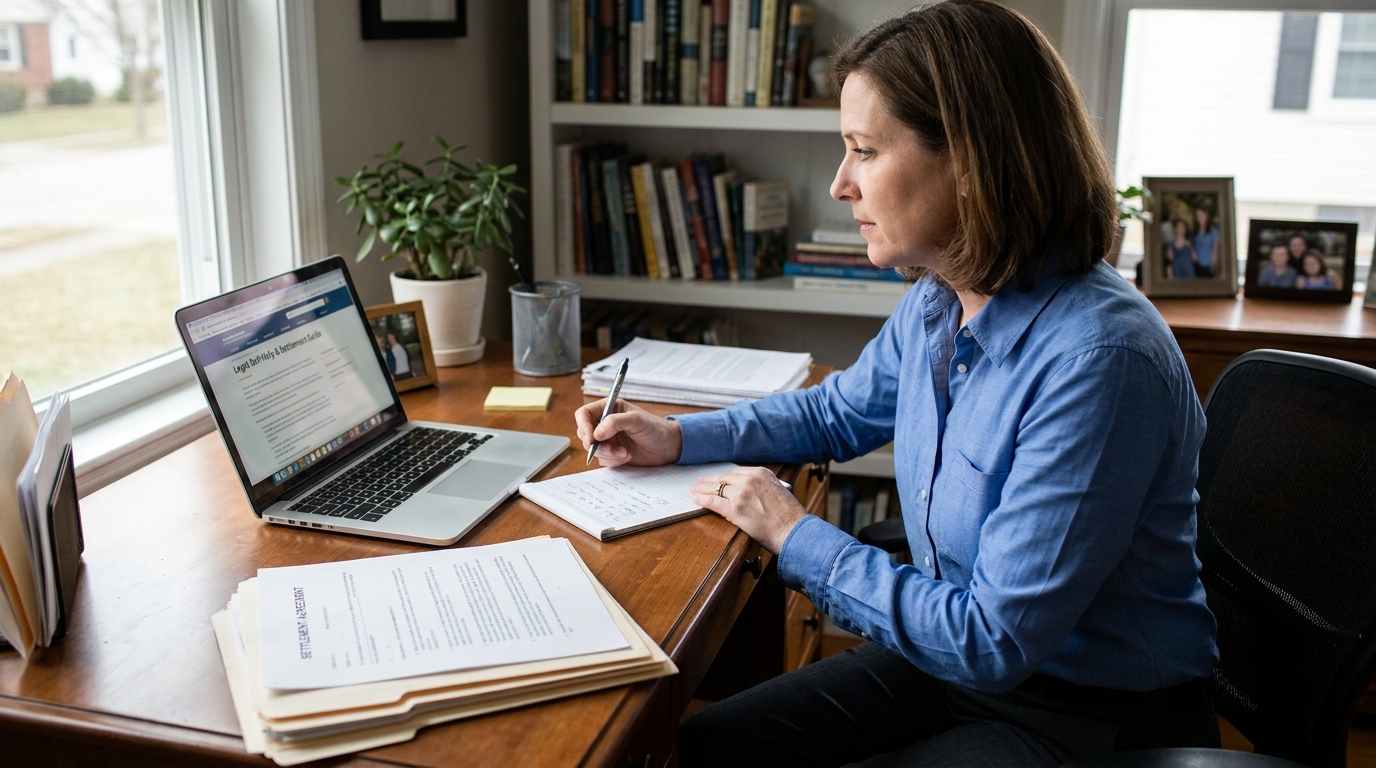
Yes, it is legally possible to pursue a slip and fall settlement without a lawyer, but success requires understanding Florida premises liability law and the evidentiary burdens you must meet. Florida does not require an injured person to hire an attorney to file a claim or negotiate with an insurer. A self-represented claimant in Hollywood must personally establish every element of negligence, gather supporting evidence, and counter the fault-shifting tactics insurers commonly use. Whether you recover fair compensation depends on how well you document the incident and understand the deadlines and statutes governing your case.
If you are weighing your options after an accident, the team at Barzakay Law Firm can help you understand your claim’s strength. Call us at 1-800-487-8123 or reach out through our online contact page to discuss your situation.
The Four Elements You Must Prove in a Florida Slip and Fall Case
Every slip and fall claim in Florida rests on four legal elements that the injured person must establish. A successful claim requires proving duty of care, breach of duty, causation, and damages. Missing any one element can defeat the entire claim, which is why self-represented claimants must understand each component before negotiating.
The duty of care refers to a property owner’s obligation to maintain reasonably safe conditions for lawful visitors. Breach occurs when the owner fails to maintain the premises or warn of a known hazard. Causation links that breach to your injury, and damages reflect the measurable losses you suffered. Resources such as this overview of slip and fall accident claims can help illustrate how these elements interact in practice.
💡 Pro Tip: Write down a detailed account of how your fall happened immediately. Memories fade quickly, and a contemporaneous written record can support the causation element later.
Proving the Business Knew About the Hazard
One of the most challenging hurdles for self-represented claimants is proving the business had notice of the dangerous condition. Under Fla. Stat. §768.0755, if you slip on a transitory foreign substance such as a spill in a business, you must prove the business had actual or constructive knowledge of the hazardous condition and failed to remedy it. This is a high legal bar that often determines whether a claim succeeds.
Constructive knowledge can be established through circumstantial evidence. Under §768.0755(1)(a)-(b), constructive knowledge may be shown by proving the condition existed long enough that ordinary care would have discovered it, or that it occurred with regularity and was therefore foreseeable. Gathering this evidence, such as surveillance footage or witness statements, can be difficult without legal counsel.
The distinction between actual and constructive notice matters greatly in negotiations. Actual notice means the property owner knew about the hazard, while constructive notice means they should have been aware of it. Both pathways are recognized under Florida law, but each requires a different evidentiary approach.
How Comparative Fault Can Reduce or Eliminate Your Recovery
Florida follows a modified comparative fault rule that can significantly affect your settlement. Under Fla. Stat. §768.81(6), a slip and fall victim found to be more than 50% at fault for their injury cannot recover any damages. This is a critical statute for anyone resolving a claim independently.
Insurance companies routinely attempt to assign a high percentage of blame to the injured party to reduce or eliminate the payout. A self-represented claimant may not know how to counter these fault-shifting tactics. Florida’s comparative fault framework under §768.81 establishes how fault is apportioned among parties, and property owners often raise comparative negligence as a defense.
💡 Pro Tip: Avoid giving a recorded statement to an insurance adjuster before understanding your rights. Off-the-cuff remarks can later be used to argue you were partly responsible for your fall.
Meeting the Deadline: Florida’s Statute of Limitations
Time is one of the most unforgiving aspects of any Florida slip and fall claim. Florida law generally gives slip and fall injury victims two years from the accident date to file a negligence-based personal injury lawsuit, under Fla. Stat. § 95.11(5)(a). This two-year statute of limitations applies to slip and fall cases in Hollywood, and you can review the full text within Florida’s statute of limitations chapter.
If a claimant misses this deadline, even by a single day, they generally lose the right to pursue legal action or a settlement. While narrow exceptions or tolling provisions may exist in limited circumstances, Florida courts interpret these exceptions narrowly, and they do not apply automatically. This civil deadline is separate from any administrative or insurance reporting timelines. For self-represented individuals, tracking this deadline is crucial while simultaneously managing medical treatment and insurance communications.
What Damages You May Be Able to Claim
Understanding what you can recover helps you evaluate whether an insurance offer is fair. Florida law defines economic damages broadly under §768.81(1)(b) to include past and future lost income, medical and funeral expenses, lost support and services, and the replacement value of lost personal property. Knowing the scope of recoverable losses helps a self-represented claimant avoid accepting an offer that falls short of actual costs.
Documenting your losses thoroughly is essential to substantiating these damages. The following steps can strengthen any claim:
- Seek a medical evaluation immediately and follow all treatment recommendations
- Inform the property owner or manager about the incident right away
- Photograph the hazard, the surrounding area, and your visible injuries
- Preserve receipts, medical bills, and records of missed work
💡 Pro Tip: Request an incident report from the business at the time of your fall and ask for a copy. A documented report creates an official record that the hazard and your injury existed.
Weighing a Slip and Fall Settlement Without a Lawyer Against Your Risks
Deciding whether to pursue a slip and fall settlement without a lawyer involves weighing the practical realities of self-representation against the long-term value of your claim. Insurers handle these claims daily and understand the evidentiary burdens better than most unrepresented claimants. Understanding your leverage can meaningfully affect negotiation outcomes.
One often overlooked source of leverage is the long-term enforceability of a court judgment. Once a court judgment is entered in a Florida slip and fall case, it can serve as a lien on real property for up to 20 years (typically in two consecutive 10-year periods requiring renewal under Fla. Stat. § 55.10) under Fla. Stat. § 55.081; however, judgment liens on personal property are governed by Fla. Stat. §§ 55.202, 55.204 and are generally limited to a maximum of 10 years (an initial 5‑year certificate renewable once for another 5 years). This is one reason defendants and their insurers often prefer to settle before a judgment is entered.
| Consideration | Self-Represented Claimant | Represented Claimant |
|---|---|---|
| Burden of proving notice | Handled alone | Guided by counsel |
| Countering comparative fault | Often unfamiliar | Strategically addressed |
| Evidence gathering | Self-directed | Coordinated |
| Deadline tracking | Personal responsibility | Monitored |
For a deeper walkthrough of the trade-offs involved, our discussion of pursuing a self-represented slip and fall claim offers additional context for South Florida residents.
💡 Pro Tip: Keep a single organized folder, digital or physical, for every document related to your fall. Easy access to your records makes negotiations smoother and reduces the chance of overlooking important evidence.
Special Rules That May Affect Certain Claimants
Florida law also limits property owner liability in specific situations. Under Fla. Stat. §768.075, property owners generally owe no duty to undiscovered trespassers beyond refraining from intentional misconduct. For discovered trespassers, owners must avoid gross negligence and warn of hidden dangerous conditions.
Additional immunity provisions apply in narrow circumstances. Under §768.075(1), property owners are generally immune from liability for injuries to trespassers with a blood alcohol concentration of 0.08% or higher, unless the owner’s gross negligence or intentional misconduct was a proximate cause. A separate provision, §768.075(4), generally bars liability for negligence injuring a person attempting to commit or committing a felony on the property. A claimant’s lawful presence on the premises is often a threshold issue. If you have questions about how these rules apply, explore our premises liability Hollywood FL resources for guidance.
Frequently Asked Questions
1. Can I really file a slip and fall claim no attorney in Florida?
Yes, Florida allows you to file and negotiate a claim on your own. However, you remain responsible for proving every element of negligence and meeting the two-year deadline under Fla. Stat. § 95.11(5)(a).
2. How do I prove the business knew about the hazard?
You must show actual or constructive knowledge under Fla. Stat. §768.0755. Constructive knowledge may be proven by showing the condition existed long enough that ordinary care would have discovered it, or that it recurred with regularity. Surveillance footage and witness statements often help.
3. What happens if the insurer says the fall was partly my fault?
Florida’s modified comparative fault rule under §768.81(6) bars recovery if you are more than 50% at fault. Insurers frequently attempt to shift blame to reduce payouts. Documenting the hazard and your conduct carefully helps counter these arguments.
4. What damages can I pursue in a Florida slip and fall settlement?
You may pursue economic damages defined under §768.81(1)(b). These include past and future lost income, medical expenses, lost support and services, and the replacement value of lost property. Thorough documentation supports these losses.
5. How long do I have to act on my Hollywood slip and fall rights?
You generally have two years from the accident date. While limited tolling exceptions may exist, courts apply them narrowly and they do not apply automatically. Acting promptly protects your ability to recover.
Protecting Your Claim and Your Future
Pursuing a slip and fall case in Hollywood without legal counsel is possible, but it places significant responsibility on your shoulders. You must establish duty, breach, causation, and damages, prove the business had notice of the hazard, counter comparative fault arguments, and meet a strict two-year deadline. Understanding these requirements puts you in a stronger position, whether you negotiate independently or seek representation. Informed decisions early in the process can make a meaningful difference.
If you would like to better understand the value and strength of your Florida premises liability claim, the team at Barzakay Law Firm is ready to help. Call us today at 1-800-487-8123 or visit our secure contact form to take the next step toward protecting your rights.
