 Skip to content
When Your Loved One’s Trust Has Been Broken
A nursing home neglect attorney helps families seek justice when their loved ones suffer harm due to substandard care. These lawyers investigate cases, gather evidence, and fight for compensation while holding negligent facilities accountable.
What to Do If You Suspect Nursing Home Neglect:
- Document all signs of neglect with photos and records.
- Report concerns to the facility administrator.
- Contact Florida’s Long-Term Care Ombudsman.
- Speak with a nursing home neglect attorney for a free consultation.
- Preserve all medical records and witness information.
When you place a family member in a nursing home, you trust they will be safe. Unfortunately, hundreds of thousands of elderly Americans suffer abuse each year, with reported cases of neglect more than doubling recently.
Research shows that 2 out of 3 nursing home staff members admitted to committing some form of abuse in the last year. In Florida, families have recovered millions in settlements, including a $12.5 million award after a resident died from severe bedsores. When this trust is broken through untreated bedsores, medication errors, or other forms of neglect, the consequences are devastating. Families across South Florida, from Hollywood to Miami to Boca Raton, face these situations daily.
If you suspect something is wrong—unexplained bruises, sudden weight loss, or fearful behavior—these could be warning signs of neglect that demand action.

Nursing home neglect attorney definitions:
Understanding Nursing Home Neglect and Abuse
When you place a loved one in a nursing home, you trust the facility to provide compassionate, professional care. When that trust is broken, it’s important to understand the difference between neglect and abuse.
Neglect is a failure to provide basic care, often due to understaffing or carelessness. It’s about what didn’t happen, like missed medications or ignored calls for help. Abuse, on the other hand, involves intentional harm, such as threats or physical mistreatment. Both are unacceptable violations of Florida’s standards of care, and facilities must be held accountable whether the harm was intentional or not. For families in South Florida, from Hollywood to Miami to Boca Raton, taking legal action is about justice and preventing future harm.
| Aspect | Nursing Home Neglect | Nursing Home Abuse |
|---|---|---|
| Definition | Failure to provide necessary care, resulting in harm | Intentional acts that cause harm or distress |
| Examples | Medication errors, untreated bedsores, dehydration, poor hygiene | Physical violence, verbal threats, sexual assault, theft |
| Intent | Usually unintentional but negligent | Deliberate and purposeful |
| Legal Implications | Civil liability for damages, regulatory violations | Civil liability plus potential criminal charges |
What Constitutes Neglect in a Florida Nursing Home?
A nursing home neglect attorney often sees neglect as a pattern of small failures. Understanding these can help you protect your loved one.
Basic needs neglect is the failure to provide adequate food, water, and a safe living environment, leading to dehydration, weight loss, or unsanitary conditions.
Medical neglect includes missed medications, untreated infections, and ignored health changes. Bedsores are a classic example; they are often preventable but can become serious wounds if not treated.
Personal hygiene neglect affects a resident’s dignity and health. When residents aren’t helped with bathing or grooming, they can develop infections and feel depressed.
Social and emotional neglect occurs when residents are left alone, ignored, or treated impersonally, often causing them to withdraw.
Financial neglect or exploitation involves theft or misuse of a resident’s funds, with those suffering from dementia being particularly vulnerable.
For more information on recognizing these signs, see our guide to nursing home abuse in Orlando.
Key Legislation and Resident Rights
Federal and Florida state laws protect nursing home residents. The Nursing Home Reform Act of 1987 set nationwide standards for care, requiring facilities to help residents achieve their highest possible well-being.
Florida’s Patient’s Bill of Rights adds further legal protections, including:
- The right to dignity and respect.
- Freedom from restraints, meaning facilities cannot tie down or over-medicate residents for convenience.
- Privacy rights for personal information, medical care, and living space.
- The right to voice complaints without fear of retaliation.
When facilities violate these rights, they can be held legally and financially responsible. You can learn more about these rights through Florida’s Patient Bill of Rights. Understanding these rights empowers families to advocate for better care.
Identifying the Warning Signs of Neglect
If something feels wrong with your loved one’s care, trust your instincts. The signs of nursing home neglect are often subtle changes that build over time, and recognizing them early is key to protecting your family member. Families in South Florida, from Hollywood to Miami to Boca Raton, often find that neglect reveals itself through a pattern of small failures that lead to serious harm.
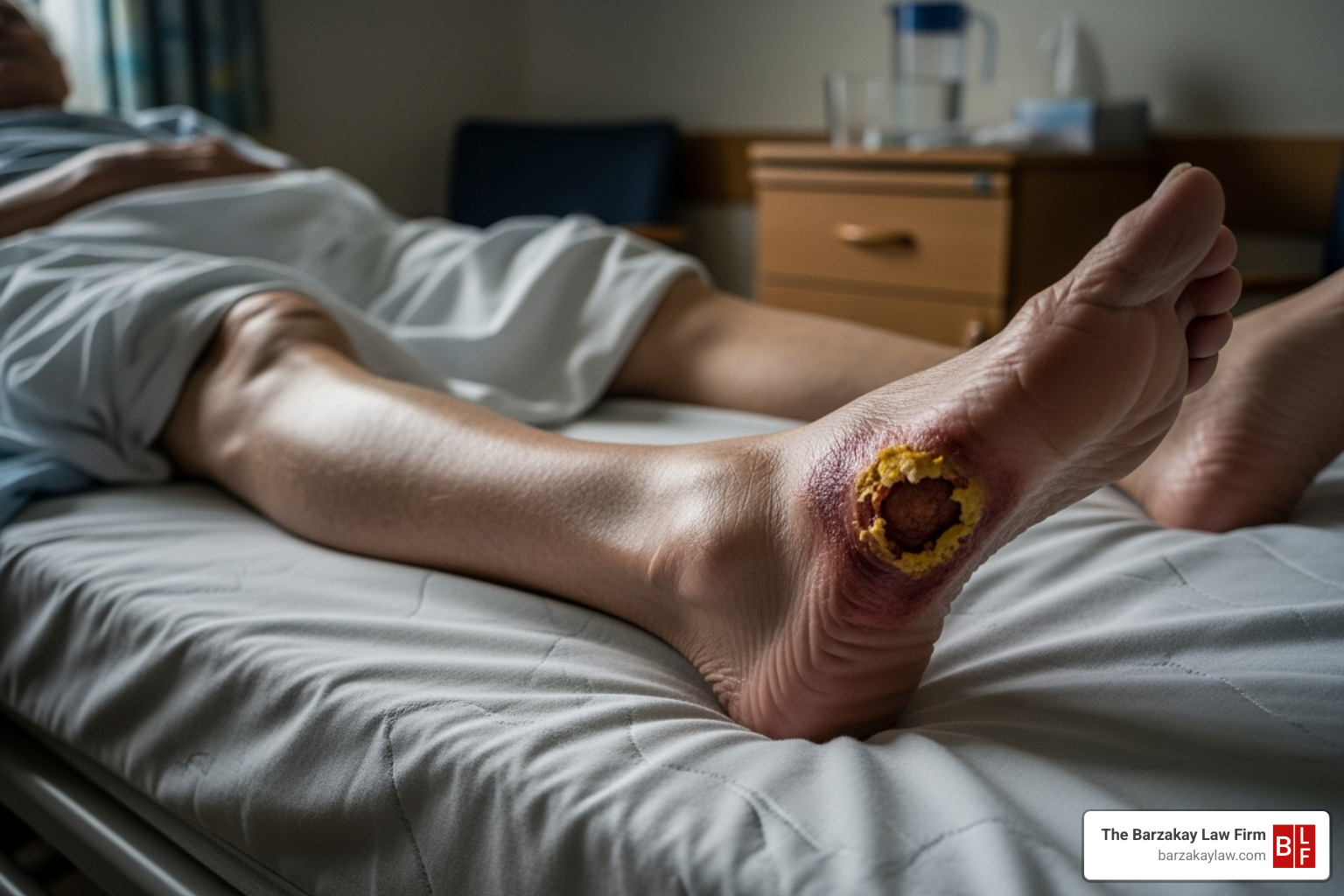
Knowing what to look for in physical changes, behavior, and the environment makes you your loved one’s strongest advocate.
Physical and Medical Indicators
Physical signs of neglect are often the most obvious and demand immediate attention.
- Bedsores are a major red flag. These preventable wounds develop when a resident isn’t moved regularly, indicating a serious lapse in care.
- Dehydration can appear as dry lips, unusual confusion, or weakness, showing a resident isn’t getting enough fluids.
- Sudden weight loss or malnutrition can signal that your loved one isn’t getting enough food or assistance with eating.
- Unexplained injuries like frequent bruises, cuts, or broken bones suggest falls from lack of supervision or improper handling.
- Poor personal hygiene, such as body odor or soiled clothing, means staff are not assisting with basic needs like bathing.
- Medication errors can cause a resident to be overly sedated, agitated, or confused, with serious health consequences.
Behavioral and Environmental Clues
Emotional and environmental clues are just as important as physical injuries.
- Personality changes, such as a loved one becoming withdrawn or fearful, may point to emotional neglect or depression.
- Fear around staff is a significant warning sign. Notice if your loved one becomes tense or quiet when certain caregivers are present.
- An unsanitary living environment, including bad odors, dirty surfaces, or soiled bedding, indicates a failure to maintain basic cleanliness.
- Malfunctioning call buttons are a serious safety issue, leaving residents unable to get help in an emergency.
The National Institute on Aging (NIA) provides valuable resources on recognizing these signs. When you notice them, document everything. A nursing home neglect attorney can help you understand what these signs mean legally. Don’t wait—your loved one’s safety may depend on it.
The Critical Role of a Florida Nursing Home Neglect Attorney
When you suspect nursing home neglect, the emotional toll can be overwhelming. A nursing home neglect attorney becomes your strongest ally, guiding you through the legal process so you can focus on your family member’s care.
Holding a facility accountable isn’t just about compensation; it’s about protecting your loved one and preventing similar heartbreak for other families in South Florida communities like Hollywood, Miami, and Boca Raton. A lawyer provides legal guidance, investigates the truth, and ensures accountability while reducing your stress. For more on our approach, review our guide to Florida nursing home abuse lawyers.
What a Lawyer Does for Your Family
Navigating the legal system alone is daunting. Here’s how we step in to help.
- Gather Evidence: We obtain medical records, staffing schedules, and incident reports. We also interview witnesses and preserve any photographic or video proof of neglect.
- Manage Communication: We handle all communication with the nursing home, their lawyers, and insurance companies, protecting you from aggressive tactics.
- File the Claim: We file all necessary legal documents, ensuring they meet Florida’s specific requirements and deadlines to protect your case.
- Negotiate a Settlement: We challenge lowball offers from insurance companies, using our understanding of Florida law to push for a settlement that reflects the harm caused.
- Represent You in Court: If a fair settlement cannot be reached, we are fully prepared to take your case to trial. Insurance companies take claims more seriously when they know your legal team won’t back down.

What to Look for in a Nursing Home Neglect Attorney
Choosing the right nursing home neglect attorney is a critical decision. Here’s what to look for.
- Experience with Florida Nursing Home Cases: You need an attorney who understands Florida’s specific laws and has experience with local facilities.
- Contingency Fee Basis: This means you pay no upfront fees. The attorney is paid only if they win your case, ensuring they are invested in getting a positive outcome.
- Trial Experience: Even if your case settles, having an attorney who is prepared to go to trial often results in better settlement offers.
- Understanding of Medical Records: These cases rely on medical evidence. Your attorney should be able to interpret complex charts and work with medical professionals to prove your case.
- A Compassionate Approach: You are a family in crisis. The right attorney listens, explains the process clearly, and treats your situation with the dignity it deserves.
For families in Hollywood, Miami, and throughout South Florida, local representation is key. For more guidance, see our tips for choosing a lawyer in Hollywood, FL.
Navigating the Legal Process for a Negligence Claim
When you work with a nursing home neglect attorney, understanding the legal process can provide some peace of mind. Most negligence claims in Florida follow a similar path, but it’s crucial to act quickly due to the state’s statute of limitations, which sets a strict deadline for filing a lawsuit.
The process begins with a free initial consultation to evaluate your case. If we move forward, we enter the investigation phase to gather evidence. We then file a lawsuit and proceed to the findy process, where both sides exchange information. Many cases are resolved during mediation and settlement talks, but if a fair agreement isn’t reached, we are prepared to go to trial.
How a Nursing Home Neglect Attorney Proves Your Case
Building a strong case means connecting poor care to the harm your loved one suffered. We use several tools to prove what happened.
- Medical Records Review: We analyze charts and nursing notes to find evidence of missed medications, delayed treatments, or undocumented injuries like bedsores.
- Witness Testimony: Family members, other residents, and former staff can provide crucial insights into problems like understaffing or lack of training.
- Medical Professional Opinions: We work with doctors and nurses who can review the care provided and testify whether the facility met acceptable standards.
- Facility Records and Staffing Logs: These documents often reveal patterns of understaffing or a history of similar incidents that were not addressed.
- Photographs and Videos: Visual evidence of untreated injuries or unsanitary conditions can be incredibly powerful in showing what your loved one endured.
Compensation and Consequences
A successful lawsuit provides compensation for your family and creates real consequences for the negligent facility.
- Economic damages cover measurable costs like medical bills, moving expenses, and lost wages for family caregivers.
- Non-economic damages address the pain, suffering, and emotional distress experienced by your loved one and your family.
- Punitive damages may be awarded in cases of extreme recklessness to punish the facility and deter future misconduct in communities like Hollywood, Miami, or Boca Raton.
Beyond financial awards, lawsuits can lead to reputational damage, increased regulatory scrutiny and fines, and in severe cases, loss of license or even criminal charges. By pursuing justice, you help protect other vulnerable residents. You can also file a complaint with Florida’s AHCA to trigger a regulatory investigation.
Frequently Asked Questions about Nursing Home Neglect Claims
When families suspect neglect, they have countless questions. We’ve helped hundreds of families across Hollywood, Miami, and South Florida steer these difficult situations, and we want to address some of the most common concerns.
How much does it cost to hire an attorney for nursing home neglect?
Hiring a nursing home neglect attorney should not add to your financial stress. Our firm works on a contingency fee basis, which means you pay absolutely nothing upfront.
We only get paid if we win your case, with our fees taken as a percentage of the settlement or verdict we recover for you. This system allows anyone to seek justice for a loved one, regardless of their financial situation.
For more information, you can read about attorneys for nursing home neglect.
What is the first step if I suspect neglect?
Trust your gut feeling that something is wrong. The first steps are critical for protecting your loved one.
- Document everything. Take photos of injuries or unsanitary conditions. Write down dates, times, and observations.
- Report your concerns. Request a formal meeting with the facility administrator or director of nursing and ask for their response plan in writing.
- Contact Florida’s Long-Term Care Ombudsman Program. These independent advocates work on behalf of residents and can investigate your complaints.
- Speak with a nursing home neglect attorney. We offer free consultations to review your situation and explain your legal options without any pressure or cost.
Acting quickly is about protecting your loved one from further harm.
Can I sue if my loved one has dementia and cannot testify?
Yes, absolutely. A resident’s inability to testify due to dementia or another condition does not prevent you from filing a successful lawsuit.
We build strong cases using other forms of compelling evidence:
- Medical records provide a detailed timeline of care—or lack thereof.
- Witness testimony from family, friends, and even facility staff can paint a clear picture of what happened.
- Medical professionals can analyze the evidence and provide opinions on whether the standard of care was met.
- Photographic evidence of injuries or poor conditions often speaks for itself.
Your loved one’s condition may prevent them from speaking out, but as their nursing home neglect attorney, we can be their voice and fight for the justice they deserve.
Take the First Step to Protect Your Loved One
Suspecting that a family member has suffered neglect in a nursing home is a heartbreaking experience. The mix of anger, guilt, and helplessness can feel overwhelming, but you are not alone.
Taking action is crucial, not just for your loved one’s safety, but to prevent other families from facing the same pain.
The Barzakay Law Firm understands the emotional weight you’re carrying. We have stood with countless families in Hollywood, Miami, Boca Raton, and across South Florida in your exact situation. Our approach is to listen to your story, investigate thoroughly, and fight to hold negligent facilities accountable. This accountability forces facilities to improve their practices and prioritize resident safety.
We offer every family a free case review because financial concerns should never be a barrier to justice. In this no-obligation consultation, we will listen, explain your options, and help you find the right path forward.
Time is critical. Evidence can fade, and your loved one needs protection now. Don’t let another day pass.
Contact a Hollywood nursing home abuse lawyer today to schedule your free consultation. We are ready to fight for the justice your loved one deserves.
